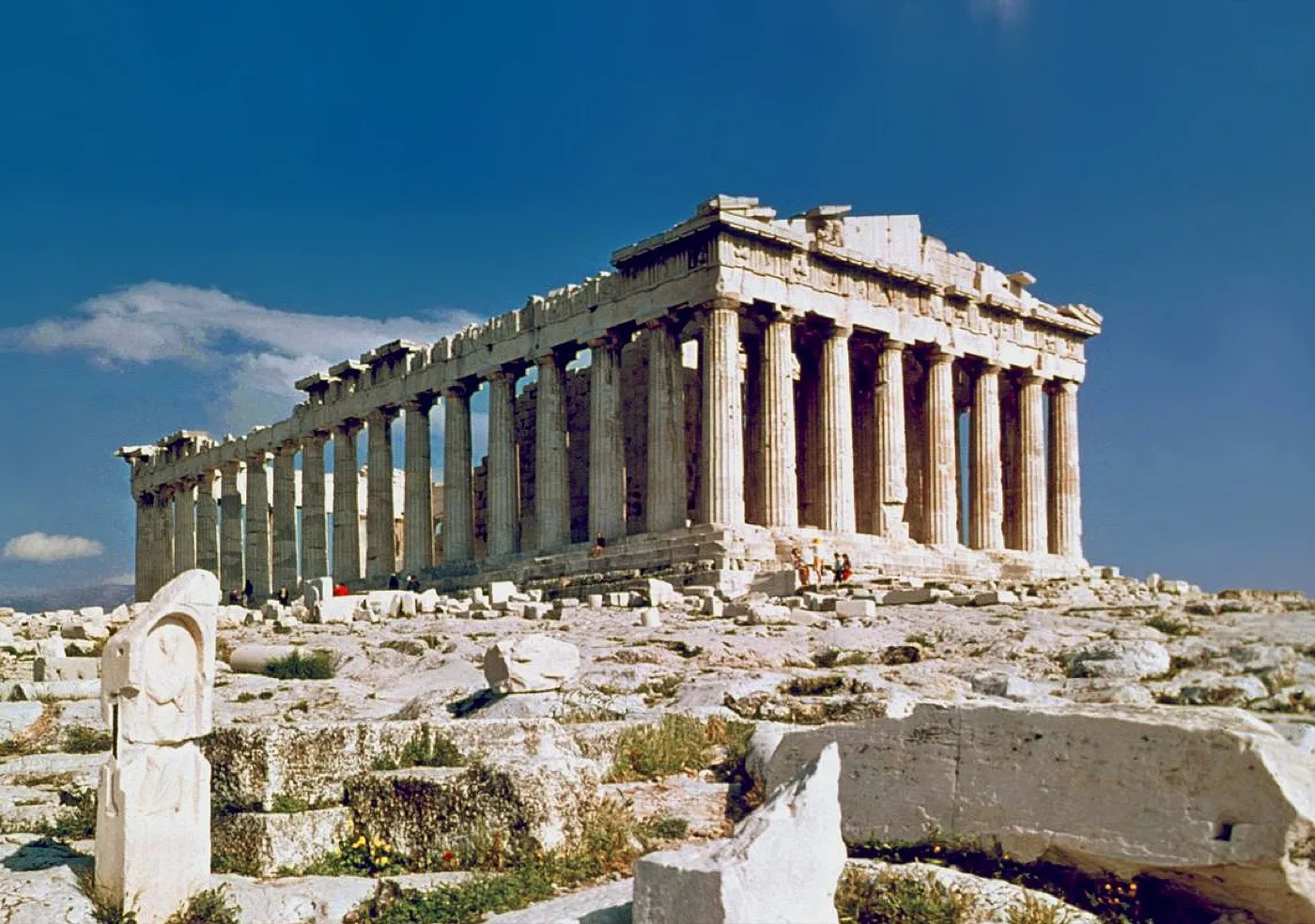
Acropolis of Athens
Hours, tickets, what is actually inside, and when the light is best.
Hours and tickets
Summer hours (roughly April–October): 08:00–20:00; winter: 08:00–17:00 (Ministry of Culture, checked Aug 2026). Full admission €30, reduced €15 — buy mandatory timed slots on hhticket.gr before you travel, especially May–October.
Arrive within your slot window; last entry is typically one hour before closing. Reduced tickets need eligible ID (EU under-25 and other categories — rules on the ticket site). The combined archaeological pass was discontinued in April 2025; budget separate tickets if you also visit the Ancient Agora (€10, odysseus.culture.gr) or other Ministry sites.
What you actually see inside
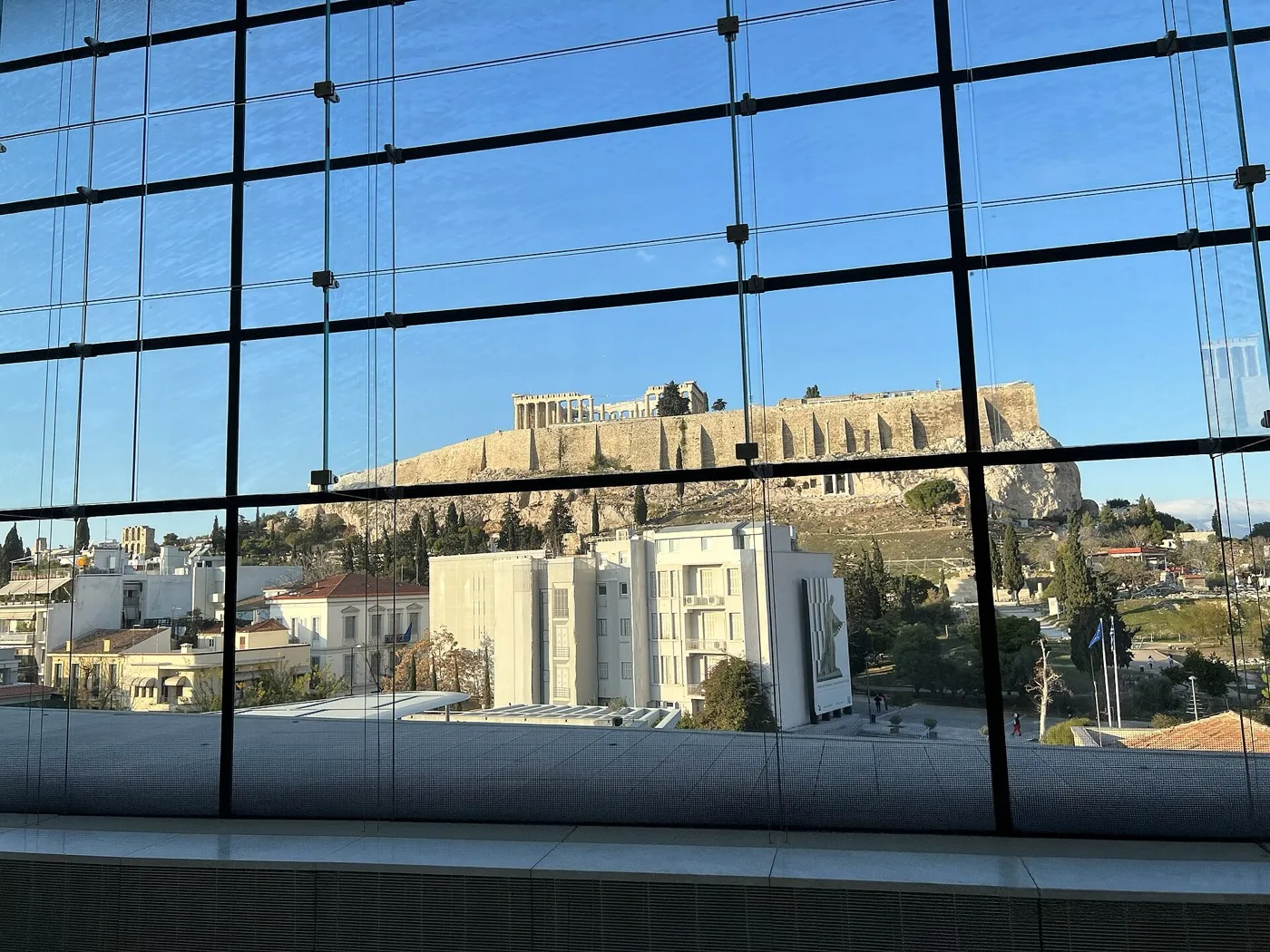
On the summit you walk among the Parthenon, Erechtheion (with the Caryatid porch), the Propylaea gateway and the Temple of Athena Nike. The paved circuit takes most visitors 60–90 minutes at a steady pace, longer if you read every label. On the south slope, the Theatre of Dionysus and Odeon of Herodes Atticus sit below the walls — the Odeon hosts summer concerts during the Athens & Epidaurus Festival (greekfestival.gr).
Marble paths are uneven and exposed; there is little shade on the hill. Wear grippy shoes and carry water — kiosks on Dionysiou Areopagitou sell bottles before the gate. Sculptures inside the temples are mostly replicas; originals sit in the Acropolis Museum (€20, theacropolismuseum.gr, checked Aug 2026), a 10-minute walk from the south entrance.
Why it exists
The classical buildings you see are largely the work of Pericles in the 5th century BC, replacing earlier temples destroyed by the Persians. The Parthenon housed a gold-and-ivory statue of Athena; it later served as a church, then a mosque, and survived partial explosion in 1687. Restoration has run for decades — scaffolding on one corner is normal, not a closure.
The Acropolis was a fortified citadel long before Athens' golden age; Mycenaean walls still show on the north edge. Understanding that layered history explains why the site mixes Doric temples, Roman honours and Ottoman traces — and why access is controlled today through timed tickets on hhticket.gr.
Best photo spots and times
For a full Parthenon front-on, climb Filopappou Hill at sunset — 15 minutes from the south gate on Dionysiou Areopagitou. Areopagus (the marble rock beside the entrance) gives fast evening city views without entering the paid site. Inside the walls, east-facing columns catch morning light; west side is softer after 16:00 in summer.
Drone use is restricted over the monument — phone shots from the paths are fine. Tripods are often discouraged when crowds peak; ask staff at the gate. Combine a dawn slot (first entry 08:00) with museum photos later — fewer heads in frame and cooler stone underfoot.
How to get there
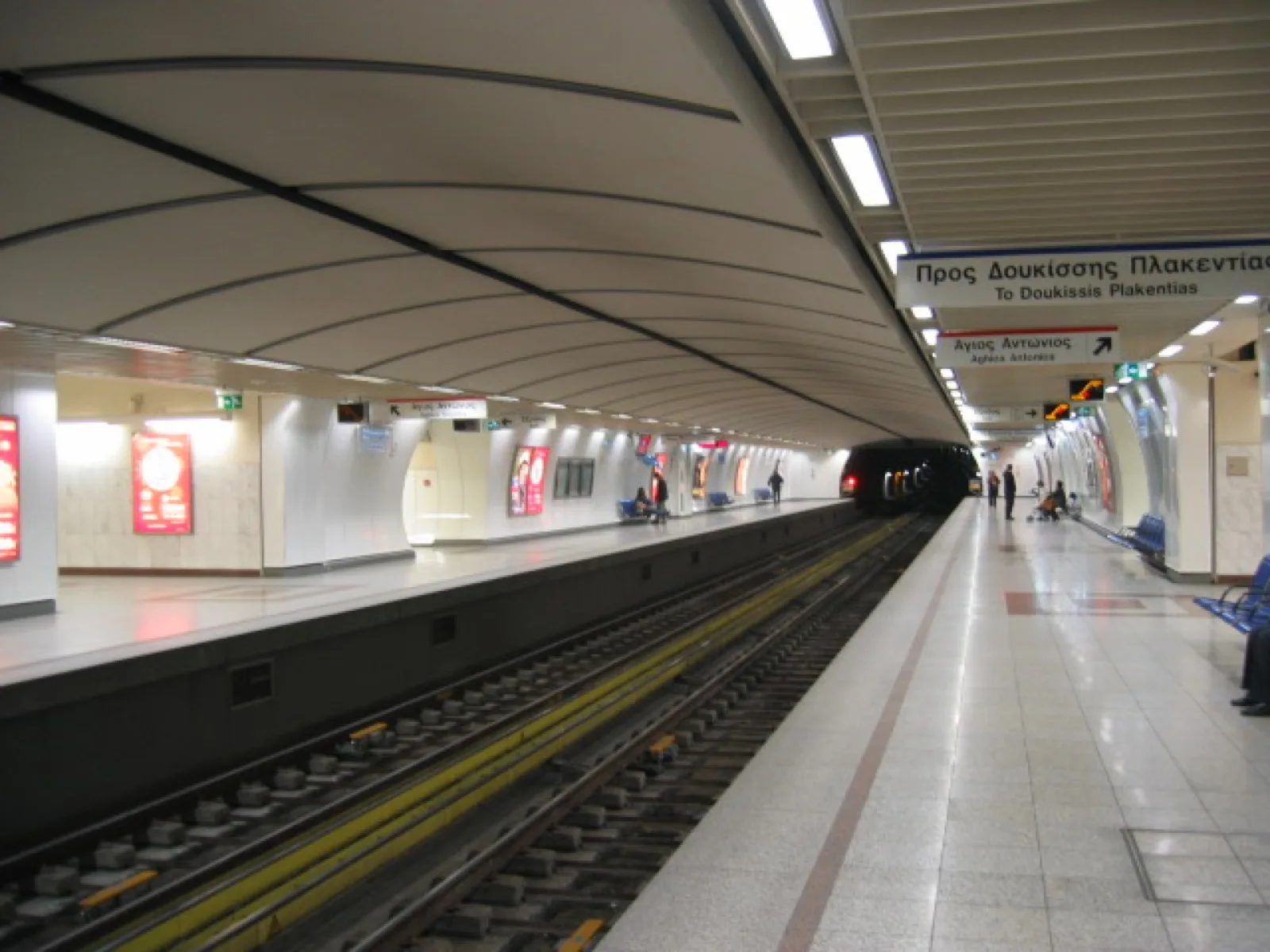
Acropoli metro (Line 2) is 10 minutes on foot from the main gate; Monastiraki (Lines 1 and 3) is 15 minutes through the Ancient Agora lanes. A single OASA ticket costs €1.20 for 90 minutes on metro and bus (oasa.gr, checked Aug 2026). The quieter south entrance on Dionysiou Areopagitou suits visitors staying in Koukaki or arriving from Acropoli station.
The main west entrance near Areopagus draws larger tour groups — use it only if your ticket specifies that gate. Taxis can drop on the pedestrian street at set hours; confirm with your hotel. Walking from Plaka hotels takes 5–15 minutes uphill — save legs for inside the site.
Combine it with these
Pair the hill with the Acropolis Museum (€20) the same morning — enter the site first, then walk down to the museum before lunch. The Ancient Agora (€10, odysseus.culture.gr) lies 10 minutes north with the Temple of Hephaestus. Plaka tavernas are a 5-minute descent for post-visit lunch (budget €15–30 per person, city.yaml band, checked Aug 2026).
Panathenaic Stadium (€10, panathenaicstadium.gr) is 20 minutes east on foot through Ardittou street — good for a second half-day. Remember each site sells its own ticket since the combined pass ended in April 2025.
Acropolis of Athens questions
How much does Acropolis of Athens cost?
Full admission is €30 and reduced €15 on hhticket.gr (odysseus.culture.gr, checked Aug 2026). Timed slots are mandatory — book before arrival in peak months. The old combined archaeological ticket was discontinued in April 2025; other sites such as the Agora (€10) are sold separately.
What are the opening hours of Acropolis of Athens?
Summer opening is 08:00–20:00; winter 08:00–17:00 (Ministry of Culture, checked Aug 2026). Last entry is usually one hour before closing. Hours shrink on some public holidays — confirm on odysseus.culture.gr the week you travel.
Is Acropolis of Athens worth visiting?
Yes — the Parthenon, Erechtheion and Propylaea are among the most significant ancient monuments in Europe. Expect uneven marble, heat and crowds mid-day May–October. Pair with the Acropolis Museum (€20) for context and shade after your hill visit.
How long do you need at Acropolis of Athens?
Allow 60–90 minutes on the summit plus 20 minutes queue buffer in peak season. Add 90 minutes for the Acropolis Museum and another hour if you walk the Ancient Agora the same day. A focused morning covers the essentials.